How to Master Dota 2: The Complete Step-by-Step Guide for Beginners and Advanced Players
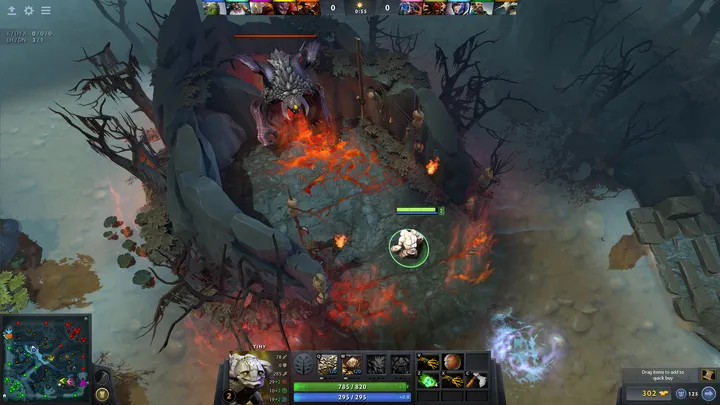
Dota 2 is one of the most complex and competitive multiplayer online battle arena games ever created. Developed by Valve Corporation, the game challenges players to combine mechanical skill, teamwork, strategy, map awareness, and decision-making in intense 5v5 battles. Unlike many modern games that simplify mechanics for accessibility, Dota 2 rewards players who are willing to invest time into learning its systems deeply.
For new players, Dota 2 can feel overwhelming. With more than a hundred heroes, dozens of items, multiple objectives, and constantly changing strategies, understanding the game takes patience. However, once players learn the fundamentals, Dota 2 becomes one of the most rewarding competitive experiences in gaming.
This guide explains how to improve step by step, from understanding basic mechanics to mastering advanced strategies. Whether you want to climb ranked matchmaking, improve teamwork, or simply stop losing lane consistently, this guide will help you build a strong foundation.
1. How to Understand the Core Objective of Dota 2
Before learning advanced mechanics, players must understand the true objective of Dota 2. Many beginners focus only on kills, but kills alone do not win games.
The main goal is to destroy the enemy Ancient, located inside their base. Everything else—farming, fighting, pushing towers, taking Roshan—is designed to help your team reach that objective.
Main Objectives in Dota 2
- Destroy enemy towers
- Gain gold and experience
- Secure map control
- Defeat Roshan
- Destroy the enemy Ancient
Basic Match Structure
- Early game
- Mid game
- Late game
Beginner Tip
Do not chase kills endlessly. Focus on objectives that help your team gain map advantage.
2. How to Choose the Right Hero
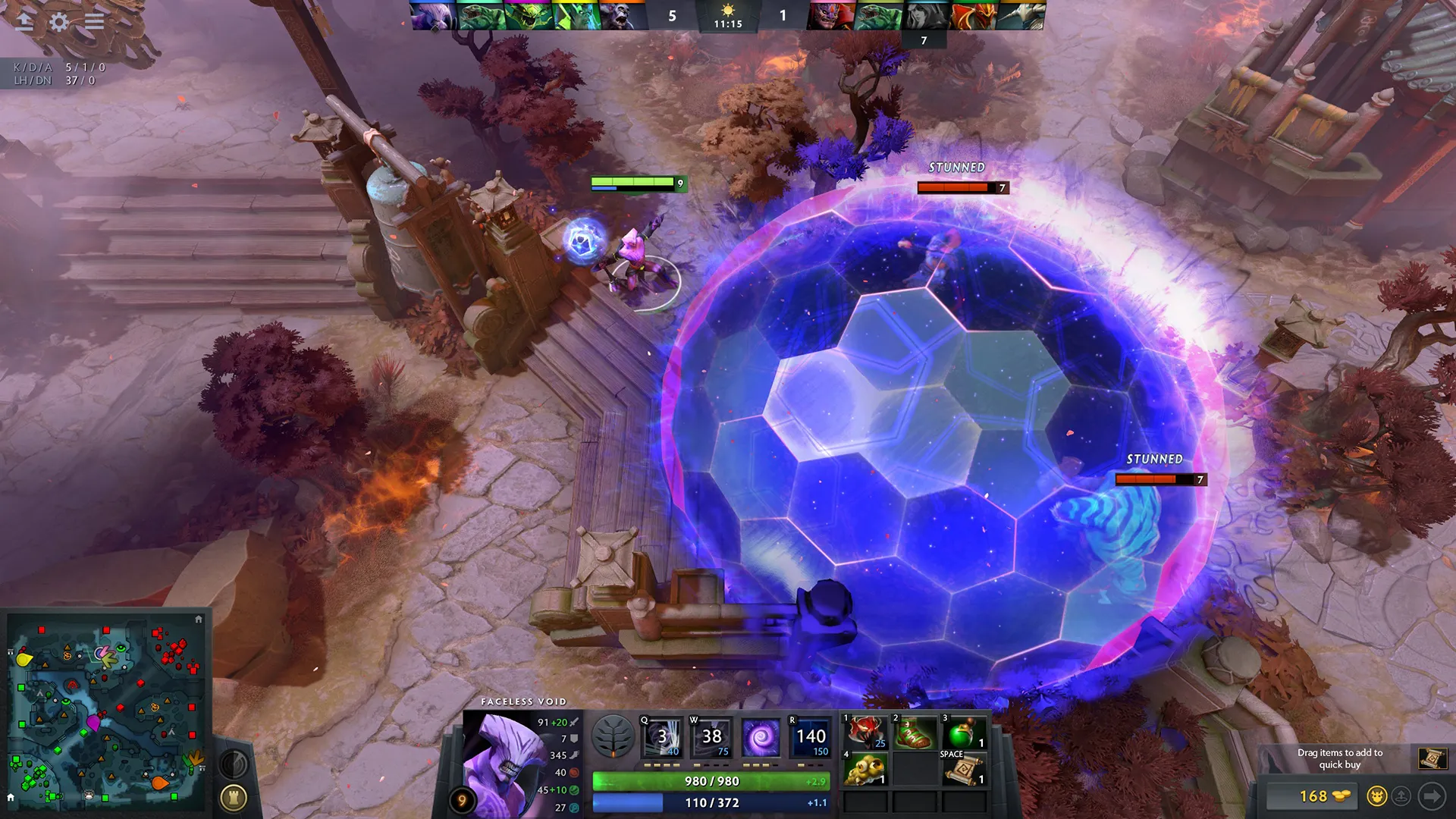
Hero selection is one of the most important decisions in every match. Dota 2 heroes have unique abilities, strengths, and weaknesses.
Beginners should avoid extremely difficult heroes and instead focus on learning core mechanics with simpler characters.
Recommended Beginner Hero Types
- Durable tanks
- Simple supports
- Straightforward carries
Beginner-Friendly Heroes
- Sniper
- Wraith King
- Dragon Knight
- Lich
- Crystal Maiden
Hero Selection Advice
Master a small pool of heroes instead of constantly switching characters.
3. How to Learn the Laning Phase
The laning phase determines the pace of the early game. Players gain gold and experience primarily by killing creeps and controlling lanes.
Strong laning creates advantages that carry into later stages of the game.
Important Laning Concepts
- Last hitting creeps
- Denying allied creeps
- Harassing opponents
- Controlling creep equilibrium
Laning Priorities
- Secure farm
- Avoid unnecessary deaths
- Maintain lane control
Important Tip
Missing fewer creeps often matters more than getting early kills.
4. How to Farm Gold Efficiently
Gold is essential because it allows players to purchase powerful items. Efficient farming separates strong players from weak ones.
Farming includes more than just lane creeps. Jungle camps, stacked camps, and lane rotations all contribute to gold income.
Efficient Farming Methods
- Last hitting lane creeps
- Farming jungle camps between waves
- Stacking neutral camps
- Clearing waves quickly
Farming Mistakes to Avoid
- Fighting constantly without farming
- Staying in dangerous areas alone
- Ignoring efficient farming patterns
Farming Tip
Always think about where your next source of gold will come from.
5. How to Build the Right Items
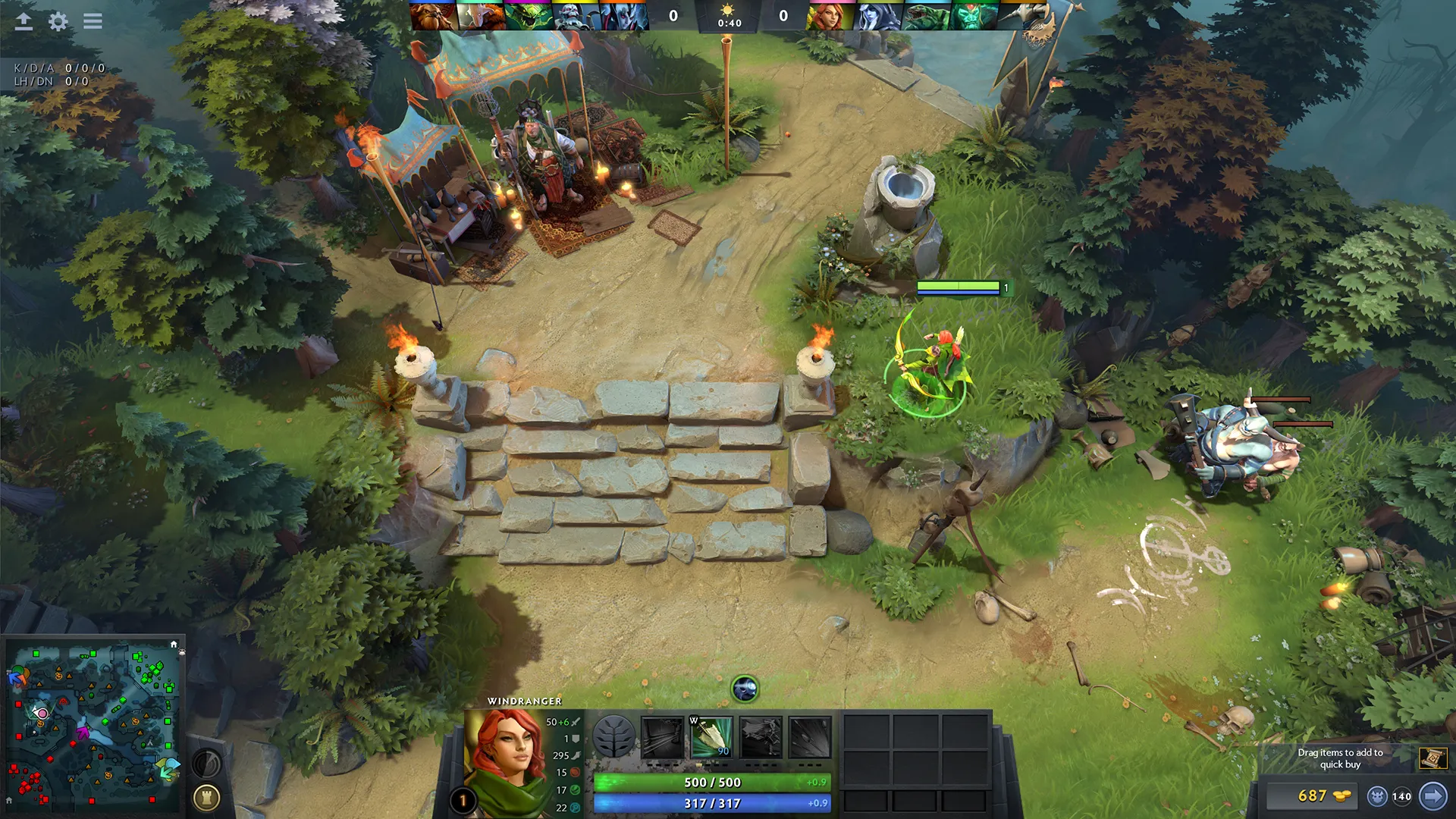
Itemization is one of the deepest systems in Dota 2. The correct item build changes depending on heroes, enemies, and game situations.
There is no single perfect build for every match.
Main Item Categories
- Damage items
- Defensive items
- Utility items
- Mobility items
Smart Itemization Strategy
Adapt your build to counter enemy heroes and threats.
Example
If enemies have heavy magic damage, defensive magic resistance items become extremely valuable.
6. How to Improve Team Fighting
Team fights often decide the outcome of matches. Winning one major fight can lead to towers, Roshan, or even victory.
Good positioning and spell usage are more important than random aggression.
Team Fight Principles
- Focus priority targets
- Protect core heroes
- Use abilities patiently
- Position safely
Common Team Fight Roles
- Initiator
- Damage dealer
- Support
- Frontliner
Team Fight Tip
Entering fights too early can be just as dangerous as entering too late.
7. How to Understand Map Awareness and Vision
Map awareness is one of the biggest differences between beginners and advanced players. Players who constantly watch the minimap make better decisions.
Vision control through Observer Wards and Sentry Wards is critical.
Vision Tools
- Observer Wards
- Sentry Wards
- Smoke of Deceit
Map Awareness Habits
- Check the minimap frequently
- Track missing enemies
- Predict enemy movements
Key Insight
Good vision prevents deaths and creates opportunities.
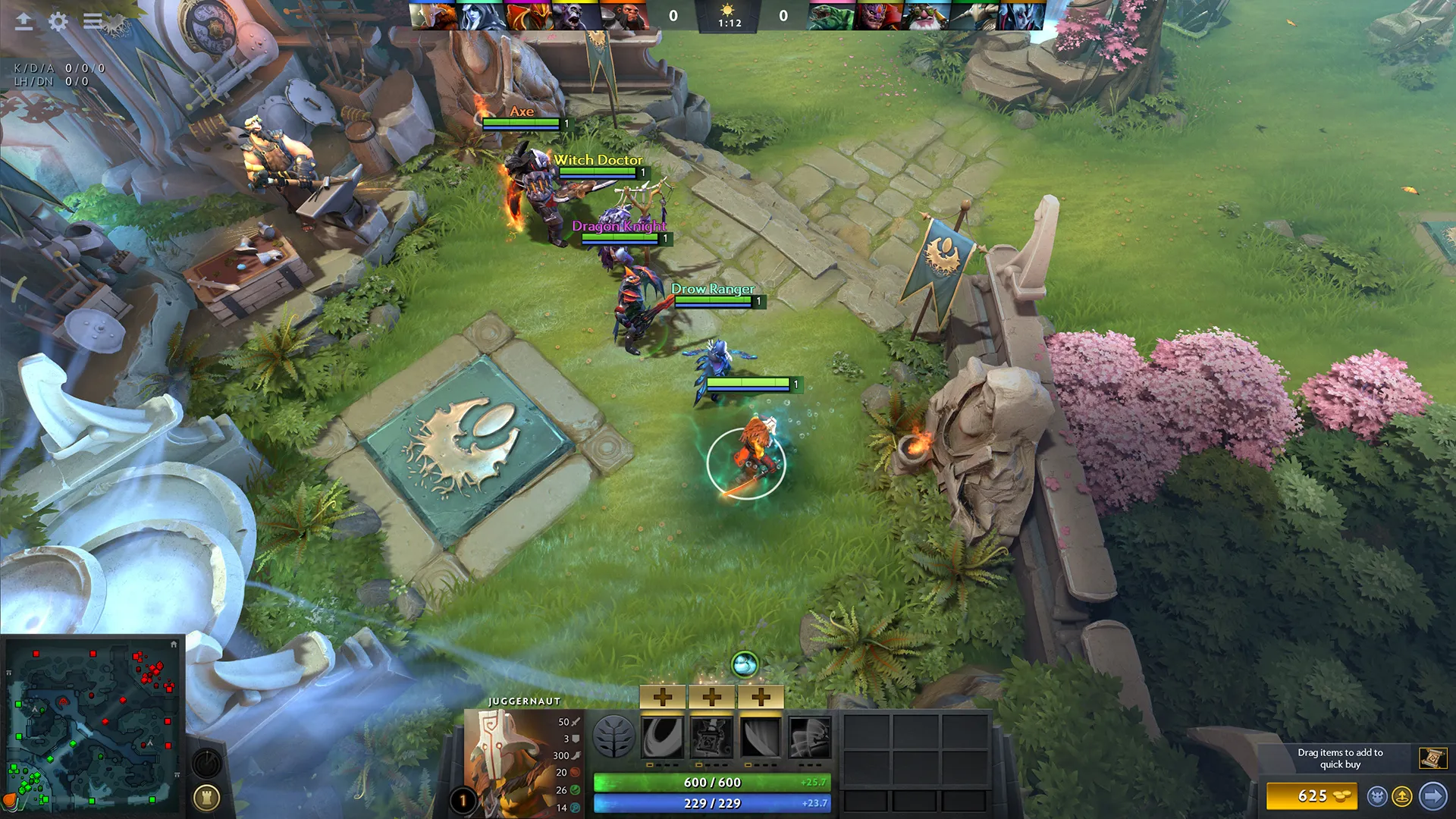
8. How to Play Each Game Stage Correctly
Dota 2 changes dramatically throughout the match. Strategies that work early may fail later.
Players must adapt their decision-making depending on the game stage.
Early Game Focus
- Farming
- Lane control
- Safe rotations
Mid Game Focus
- Taking objectives
- Team fights
- Map control
Late Game Focus
- Buyback management
- High-ground pushes
- Protecting core heroes
Important Advice
Avoid taking unnecessary risks late-game because one mistake can end the match.
9. How to Communicate and Work as a Team
Dota 2 is heavily team-oriented. Even highly skilled players struggle without communication.
Positive teamwork often leads to better performance than individual skill alone.
Effective Communication Methods
- Ping important information
- Call missing enemies
- Coordinate abilities
Teamwork Principles
- Avoid blaming teammates
- Share resources when needed
- Group around objectives
Communication Tip
Short and clear messages are the most effective during intense matches.
10. How to Improve and Climb Ranked Matchmaking
Improvement in Dota 2 takes time. Players who focus on learning instead of only winning improve much faster.
Every match provides valuable lessons.
Improvement Strategies
- Watch replays of your games
- Study professional matches
- Focus on one role consistently
- Learn from mistakes
Long-Term Habits
- Practice last hitting regularly
- Learn item timings
- Improve decision-making under pressure
Mastery Tip
Consistency matters more than occasional great performances.
Conclusion
Dota 2 is one of the deepest and most rewarding competitive games ever made. While the learning curve can feel intimidating, players who invest time into understanding mechanics, teamwork, map awareness, and strategic decision-making will steadily improve over time. Mastering Dota 2 is not about memorizing every hero immediately—it is about building strong fundamentals and learning from every match. By focusing on efficient farming, smart itemization, effective communication, and disciplined gameplay, any player can become more confident and competitive. Whether your goal is climbing ranked matchmaking or simply enjoying the game with friends, patience and consistent practice are the keys to success in Dota 2.