






The Culinary Soul of Brother Hai's Pho Restaurant: An In-Depth Study of the Heritage Simmer and Broth Umami Mechanics
In the saturated market of restaurant management simulators, many titles lean heavily into the frantic pace of click-management or the sterile optimization of tycoon spreadsheets. However, Brother Hai’s Pho Restaurant (Tiệm Phở Anh Hai) carves out a unique space by centering its entire gameplay loop around a philosophical and mechanical concept known as the "Heritage Simmer." This is not just a cooking timer; it is a sophisticated simulation of cultural preservation, aromatic chemistry, and the intangible "soul" of Vietnamese street food. To understand this game is to understand that a bowl of Pho is not a product—it is a temporal process where time itself is the most expensive ingredient.
The Genesis of the Mother Broth: Establishing the 24-Hour Foundation
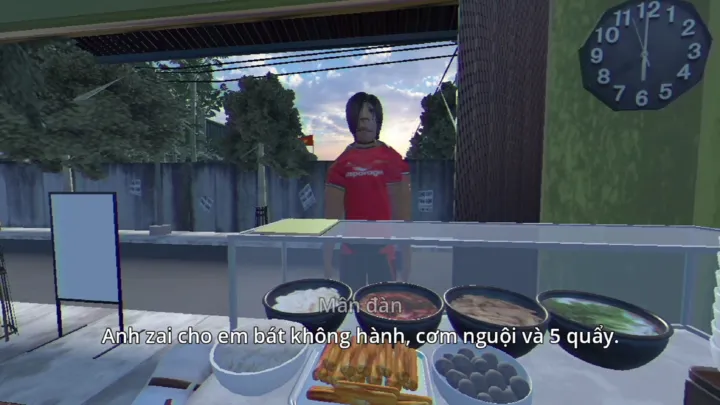
In the opening stages of the game, the player is introduced to the "Nồi Nước Lèo" (The Broth Pot), which acts as the beating heart of the establishment. Unlike other games where ingredients are instantly converted into a dish, Brother Hai’s Pho Restaurant requires a literal 24-hour in-game cycle to establish a "Base Umami Profile." This mechanic forces the player to engage with the concept of Aromatic Patience. You are not just clicking buttons; you are managing the delicate charring of ginger and shallots to ensure the Maillard reaction translates into the broth's deep amber hue.
The Mother Broth system is designed to reward consistency over speed. If the pot is allowed to go cold or if the heat is pushed too high, the clarity of the soup—a hallmark of authentic Pho—is permanently ruined for that batch. This creates a high-stakes environment where the player’s primary adversary is not a rush of customers, but the laws of thermodynamics and the volatility of beef marrow. It sets a somber, meditative tone that distinguishes Brother Hai’s from its more arcade-like counterparts.
The Chemistry of Aromatics: The Star Anise and Cinnamon Equilibrium
As the game transitions into its second "Season" of play, the complexity of the spice blend becomes the dominant mechanic. The game features a hidden Aromatic Volatility Index. Every spice—from the star anise and cinnamon sticks to the black cardamom and coriander seeds—has a specific "Peak Release" window. If you toast the spices too long, the broth becomes bitter; if you add them too early, the essential oils evaporate before the first customer arrives.
This stage of the game introduces a sophisticated UI representation of steam. Players must learn to read the color and movement of the steam particles to determine the spice equilibrium. It is a masterful translation of a sensory experience into a digital medium. The game does not tell you if the balance is right; it expects you to observe the subtle shifts in the broth’s opacity and the movement of the fat bubbles (the "oil eyes") on the surface.
The Aromatic Pillars
- Star Anise: The backbone of the scent; provides the licorice depth and medicinal heart.
- Cinnamon Bark: Adds a woody sweetness that balances the heavy fat content of the marrow.
- Black Cardamom: Provides a smoky, earthy baseline that anchors the brighter top notes.
The Bone-Marrow Matrix: Extracting Gelatin and Depth
As the player unlocks the "Night Shift" mechanics, the focus shifts to the structural integrity of the broth. Brother Hai’s Pho Restaurant uses a particle-based simulation for the breakdown of collagen in beef bones. This isn't just a flavor bar; it's a "Mouthfeel Variable." High-quality marrow bones require a specific temperature range—between 85°C and 95°C—to ensure the broth remains clear while still extracting the gelatinous richness that coats the tongue.
During this phase, the player must actively "skim the scum." Failing to remove the gray proteins that rise to the top results in a cloudy broth, which drastically lowers the "Heritage Score." This mechanic transforms a mundane chore into a rhythmic, almost zen-like activity that mimics the real-world labor of a Pho master. It emphasizes that the quality of the final product is determined by what you take out of the pot as much as what you put in.
The Noodle Hydration Paradox: Texture as a Narrative Tool
Once the broth is perfected, the game introduces the "Bánh Phở" (Rice Noodle) mechanics. This is where the game’s time-management aspect becomes most punishing. Fresh rice noodles have a "Vitality Window" of mere seconds. In the game, the player must manage the hydration levels of the noodles, ensuring they are blanched to the exact point where they are "Dai" (chewy) but not "Bở" (mushy).
This stage represents the bridge between the kitchen and the customer. The game uses a "Stress-Inducing Timer" for the noodles that contrasts sharply with the slow, steady simmer of the broth. It creates a gameplay duality: the long-term strategic management of the pot versus the short-term tactical execution of the bowl assembly. This paradox mirrors the reality of street food—hours of preparation for a moment of consumption.
Noodle Quality Factors
- Water Temperature: Must be at a rolling boil to prevent sticking.
- Blanch Time: A 3-second deviation can change the noodle’s "Absorbency Score."
- The Shake: Removing excess water to prevent diluting the precious broth.
The Condiment Ecosystem: Balancing the Individual Palette
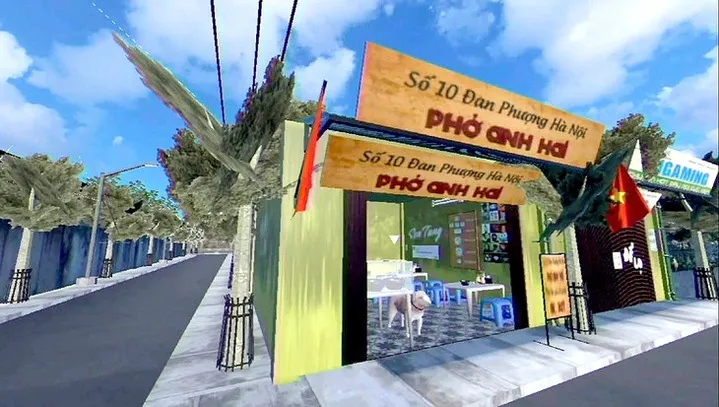
As the reputation of Brother Hai’s grows, the game introduces the "Side Garnish" system. This isn't just aesthetic; it’s a simulation of the "Customer Agency" mechanic. Players must manage the freshness of Thai basil, sawtooth herb (ngò gai), and lime wedges. In this game, the herbs are not static inventory items—they have a "Wilting Rate" affected by the ambient humidity of the kitchen.
This introduces a supply chain sub-game where the player must source the freshest greens to maintain the "Vibrant Top Note" of the meal. A customer’s satisfaction is calculated by how the acidity of the lime and the heat of the chili interact with the deep umami of your specific broth batch. It’s a dynamic system where the player provides the canvas, and the customer provides the final brushstrokes of flavor.
The Ghost of the Recipe: Narrative Progression through Taste
The middle act of the game reveals that Brother Hai is not just a mascot, but a repository of a "Lost Recipe." As the player reaches certain umami milestones, they unlock "Flavor Memories." These are narrative vignettes that explain the history of the restaurant and the migration of the recipe from North to South Vietnam. This ties the mechanical depth of the cooking to a larger cultural story.
The "Heritage Simmer" becomes a metaphor for cultural survival. Each bowl served is a way of keeping the memory of Hai’s family alive. The game tracks a "Legacy Meter" that grows not with the amount of money earned, but with the "Authenticity Index" of the broth. It challenges the player to choose between higher profits (using MSG or shortcuts) and the integrity of the heritage simmer.
The Economic Strain of Quality: The Cost of the Long Simmer
As the game enters its final stages, the player faces the "Inflationary Pressure" event. The cost of high-quality beef bones and authentic spices rises, forcing a mechanical dilemma. To maintain the 24-hour simmer, the player must sacrifice their own "Energy Meter" or hire staff who might not respect the process. This simulates the real-world struggle of artisanal food in a fast-paced economy.
This phase of the game focuses on "Efficiency without Compromise." Players must find ways to optimize the heat source—switching from coal to gas while trying to maintain the "Smoky Undertone" of the original recipe. It becomes a game of inches, where the player’s deep knowledge of the broth’s chemistry is tested against the harsh reality of a failing ledger.
The Seasonal Shift: Adapting the Broth to the Environment
In the late-game "Calamity" expansion, Brother Hai’s Pho Restaurant introduces weather and seasonal mechanics. Humidity and ambient temperature now affect the "Fat Solvency" of the broth. During the rainy season in Saigon (the game’s setting), the player must increase the ginger content to provide a "Warming Sensation" for the customers.
This level of detail requires the player to constantly adjust their "Master Formula." You cannot simply set a recipe and forget it; the broth is a reactive entity that exists in a specific time and place. This mechanic reinforces the idea that Pho is a living tradition, one that must be tuned to the environment and the needs of the community it serves.
Seasonal Ingredient Adjustments
- Rainy Season: Increased Ginger and Black Pepper for "Heat."
- Dry Season: Lighter salt profile and increased Rock Sugar for "Clarity."
- Festival Season: Implementation of "Specialty Cuts" like Oxtail and Tendon.
The Social Fabric: The Table as a Sacred Space

The penultimate H2 topic focuses on the "Atmospheric Umami"—the way the restaurant’s environment enhances the taste of the food. In the game, the layout of the tables, the sound of the street outside, and the "Social Heat" of the customers contribute to the final score. A bowl of Pho eaten in a rush is mechanically different from one eaten in a "High-Comfort Zone."
The player must curate the "Street Food Vibe," balancing the chaos of the sidewalk with the sanctuary of the broth. This involves managing the "Noise Floor" and the "Seating Turnaround." If a customer feels rushed, their "Perceived Umami" drops, even if the broth is perfect. It’s a sophisticated look at the psychology of dining and the importance of the communal table in Vietnamese culture.
The Master’s Hand: The Transition to Intuition
In the final hours of the game, the UI elements begin to fade away. The temperature gauges, the aromatic bars, and the hydration timers disappear. The player is expected to have achieved "Intuition." You no longer look at a timer to know when the bones are done; you look at the color of the marrow. You don't measure the spices; you smell the virtual steam.
This is the ultimate expression of the "Heritage Simmer." The player has moved from being a technician to being a "Cụ" (an elder). The game rewards this transition with the highest possible accolade: the "Timeless Bowl." At this point, the game ceases to be a management sim and becomes a meditative experience of pure craft. You are no longer playing Brother Hai's Pho Restaurant; you are inhabiting the legacy of the broth.
Conclusion: The Infinite Simmer of Memory
Brother Hai’s Pho Restaurant is a rare example of a game that uses its mechanics to argue for the value of slow, deliberate labor in a world obsessed with speed. By focusing so deeply on the "Heritage Simmer," it transforms the act of cooking into a sacred ritual of memory and chemistry. It proves that the most powerful "power-ups" in a game aren't weapons or speed boosts, but patience, observation, and respect for tradition. When the final pot is drained and the shop closes for the night, the player is left with a profound understanding that some things cannot be rushed—that the best flavors in life are those that have been simmered for a lifetime.